YTQZ-B1-400 Single Spindle Mosaic Cutting Machine
YTQZ-B1-400 400mm Stone Mosaic Cutting Machine uses 7–8 blades to produce 15×15–30×30mm marble mosaics with consistent sizing. View specifications.
Product introduction
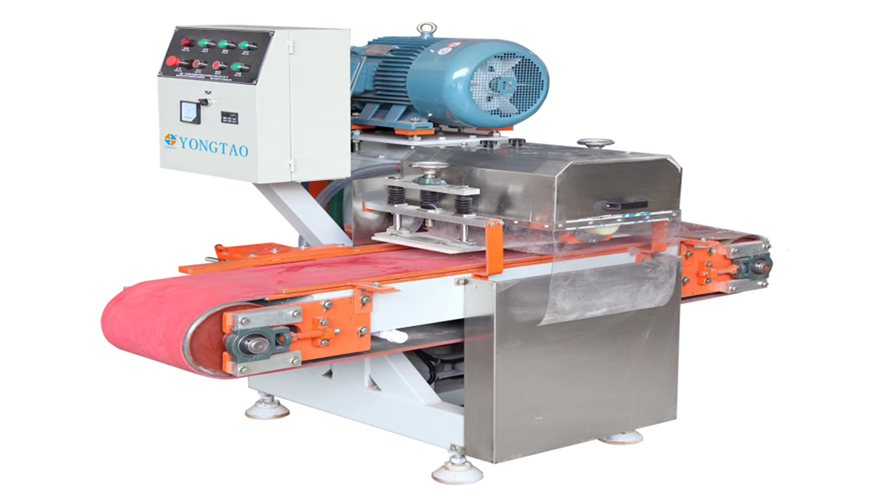
The YTQZ-B1-400 is a 400mm Stone Mosaic Cutting Machine developed for processing marble and natural stone into uniform strips and small square mosaic pieces. Its single-spindle structure can hold 7–8 cutting blades, enabling several parallel cuts during one feeding cycle.
The machine supports commonly requested finished sizes such as 15×15mm, 20×20mm, 25×25mm and 30×30mm. It is suitable for stone-processing factories and marble mosaic producers that require repeatable batch cutting without the footprint of a wider production model.
Quick Answer
The YTQZ-B1-400 is a Single Spindle Stone Mosaic Cutter with a 420mm conveyor belt and an adjustable cutting range of 20–400mm. It uses multiple blades to divide prepared marble or stone materials into parallel strips. The strips are then positioned in a cutting mold and cross-cut to form small square mosaics.
This two-stage method is designed for repeat production of 15×15mm, 20×20mm, 25×25mm and 30×30mm pieces. Blade spacing, conveyor speed and cooling conditions must be matched to the material, thickness and required finished size before production begins.
What Is the YTQZ-B1-400 Used For?
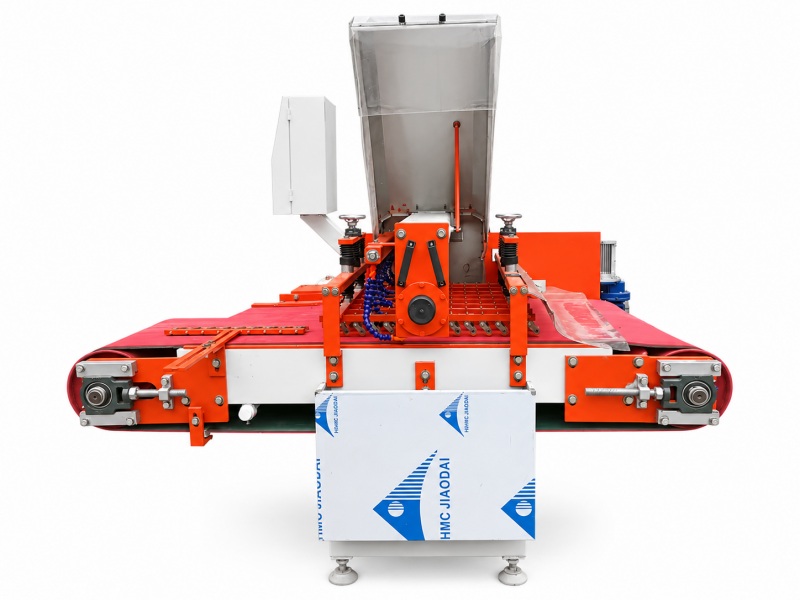
The YTQZ-B1-400 is designed for straight, parallel cutting of prepared marble and natural stone materials. It is particularly suitable for producing small square mosaics from stone strips.
Typical applications include:
• Marble Mosaic Cutting
• Stone Mosaic Cutting
• Natural Stone Mosaic Cutting
• Preparing parallel strips for square mosaic production
• Producing small stone pieces for sorting, arranging, mounting or polishing
• Repeated batch processing of standard mosaic dimensions
As a Small Stone Mosaic Cutting Machine, the YTQZ-B1-400 is designed for controlled straight cutting of square and straight-edged hexagonal stone mosaics. Hexagonal pieces require the correct blade spacing, material positioning, cutting sequence and suitable cutting mold. Curved, arabesque and other profiled shapes require a separate stone mosaic profiling machine before final slicing.
Single-Spindle Multi-Blade Cutting Structure
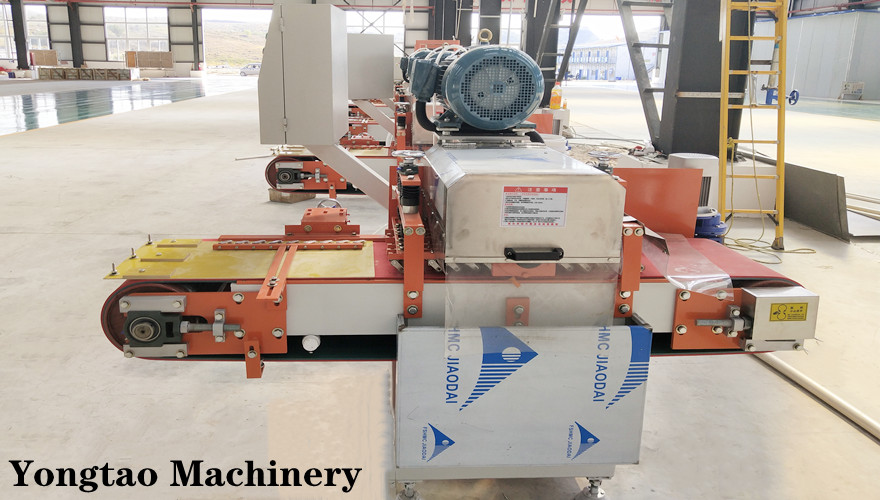
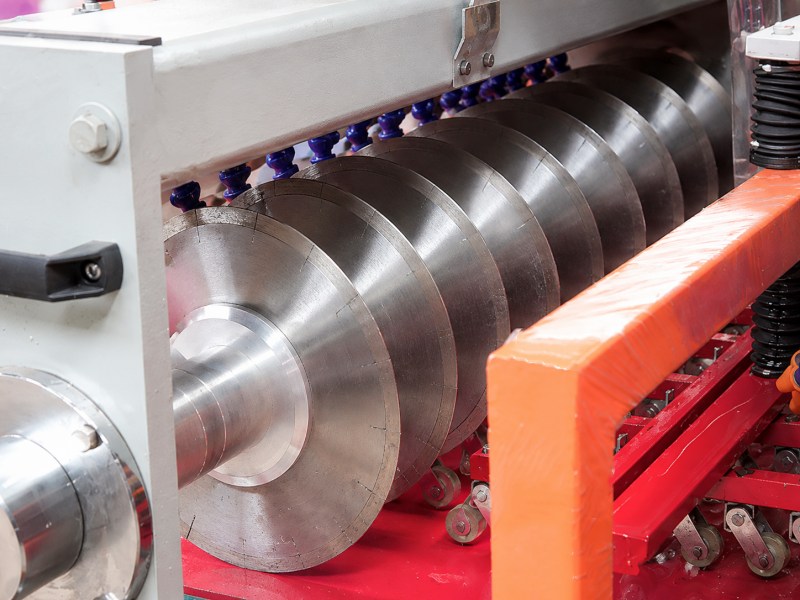
The machine uses one powered spindle fitted with several blades. Depending on the required spacing and confirmed configuration, 7–8 blades can be installed on the spindle.
Multiple Parallel Cuts in One Feeding Cycle
A Multi-Blade Stone Mosaic Cutter divides the material at several positions during one pass. Compared with making every cut separately, this arrangement reduces repeated feeding and helps maintain consistent strip widths across a production batch.
The number of usable blades and the distance between them depend on:
• Original material width
• Required strip width
• Blade thickness
• Spacer arrangement
• Spindle load
• Material hardness
• Cutting thickness
• Required edge quality
The blade arrangement must be confirmed before production. Installing more blades does not automatically provide higher usable output because spindle load, cooling and material resistance must also be considered.
Adjustable Spacing for Different Mosaic Sizes
Spacers and gaskets are used to set the distance between adjacent blades. This distance determines the nominal strip width and must be selected according to the required finished mosaic size.
Before batch production, trial pieces should be measured. The setup should account for blade kerf and the actual dimensions required after cutting. Blade spacing should not be determined from nominal mosaic size alone.
Continuous Conveyor Feeding
The conveyor feeds the material through the cutting area at a controllable speed of 0.8–4.0m/min. The appropriate operating speed depends on the stone, thickness, blade condition, number of blades and required edge quality.
A stable feeding speed helps reduce sudden cutting loads. The operator should adjust the conveyor only after checking the material and completing a trial cut.
How Marble Strips Are Cut into Square Mosaics
The YTQZ-B1-400 operates as a Marble Strip-to-Mosaic Cutting Machine through a two-stage process.
Stage 1: Cut the Material into Parallel Strips
The prepared marble or stone material is placed on the conveyor and fed through the blade group. The blade spacing is set according to the required strip width.
For 25×25mm mosaics, the first stage prepares strips with a nominal width corresponding to the required piece size. Actual spacing must be corrected according to blade kerf and the required finished dimensions.
Stage 2: Cross-Cut the Prepared Strips
The prepared strips are placed in a suitable cutting mold and positioned across the feeding direction. They are then cut again to form square pieces.
This is the basic operating method for a Machine for Cutting Marble Strips into Mosaics. The cutting mold helps hold and align the strips during cross-cutting, supporting more consistent positioning across the batch.
Stage 3: Inspect the Finished Pieces
After cutting, sample pieces should be checked for:
• Length and width consistency
• Edge chipping
• Surface scratching
• Corner damage
• Cutting marks
• Batch-to-batch dimensional variation
The first pieces should be inspected before continuous production continues. If the dimensions or edges are outside the required range, the operator should check blade spacing, blade condition, feed speed, cooling-water delivery and material positioning.
Supported Mosaic Dimensions
The standard applications of the YTQZ-B1-400 include the following finished sizes:
15×15mm Marble Mosaics
A 15×15mm Marble Mosaic Cutting Machine requires accurate blade spacing and secure handling of narrow strips. Material condition and edge quality should be confirmed through trial cutting because smaller pieces are more sensitive to chipping and movement.
20×20mm Stone Mosaics
A 20×20mm Stone Mosaic Cutting Machine uses the same two-stage strip-cutting and cross-cutting process. Correct strip alignment is important for maintaining consistent square dimensions.
25×25mm Marble Mosaics
The machine can be configured as a 25×25mm Marble Mosaic Cutter by preparing corresponding marble strips and cross-cutting them in a suitable mold. Kerf compensation and finished-piece measurement should be confirmed before processing a full batch.
30×30mm Stone Mosaics
A 30×30mm Stone Mosaic Cutter uses wider blade spacing than the smaller mosaic configurations. Actual setup still depends on blade thickness, material condition and finished-size requirements.
Other dimensions may be evaluated according to the material, blade arrangement and cutting process. Final capability should be confirmed through material information and sample testing rather than assumed from nominal machine width.
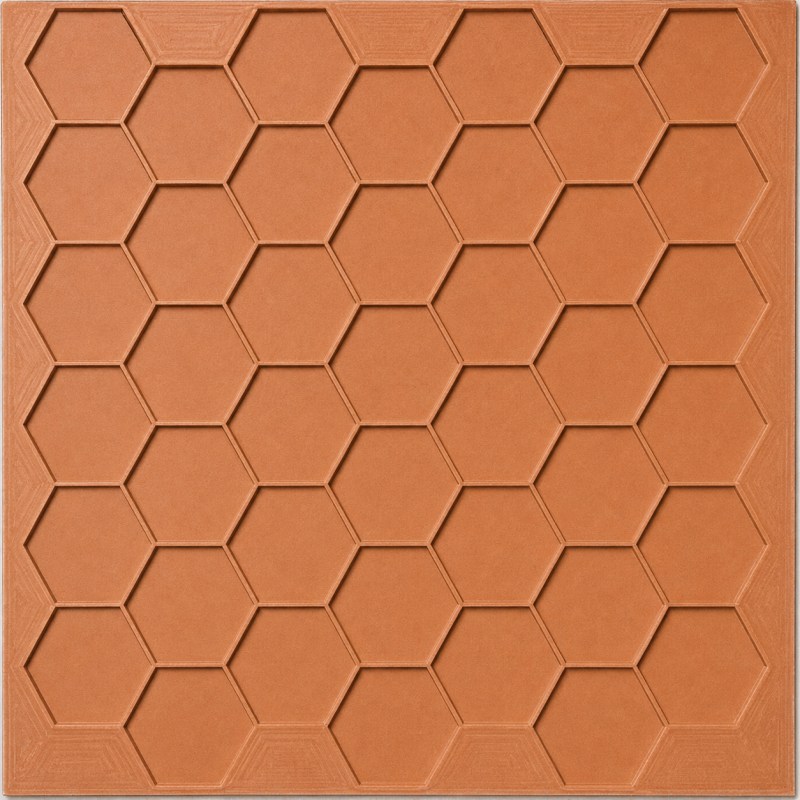
Straight-Edged Hexagonal Stone Mosaics
In addition to standard square mosaics, the YTQZ-B1-400 can process straight-edged hexagonal stone mosaic pieces using a confirmed cutting sequence. Blade spacing, material orientation and the cutting mold must be matched to the required side length and finished geometry. Trial cutting and dimensional inspection are recommended before continuous batch production.
Suitable Materials
The YTQZ-B1-400 is primarily positioned as a Marble Mosaic Cutting Machine and Natural Stone Mosaic Cutter.
Suitable applications may include:
• Marble
• Limestone
• Travertine
• Other natural stone materials confirmed through trial cutting
Different stones vary in hardness, grain structure, internal cracks, porosity and brittleness. These differences affect blade selection, feeding speed, cooling demand and edge condition. A successful setting for one marble should not automatically be applied to every stone.
For materials with uncertain hardness or internal structure, sample cutting is recommended before the final production setup is selected.
Factors That Affect Cutting Quality
Finished mosaic quality depends on the complete cutting setup rather than the machine alone.
Blade Selection and Condition
The blade should match the stone being processed. A worn, damaged or unsuitable blade can increase edge chipping, cutting resistance and dimensional variation. Blade condition should be inspected before batch production.
Cooling-Water Delivery
Cooling water helps control blade temperature and remove cutting debris from the cutting area. Water must reach the active cutting zone consistently. Insufficient delivery may affect blade life and finished-edge quality.
Conveyor Speed
The conveyor speed should be reduced when the material is harder, the cutting load is higher or the required edge quality is more demanding. Excessive speed can increase cutting resistance and chipping.
Strip Positioning
Prepared strips must remain aligned when they are cross-cut. Poor positioning can cause inconsistent dimensions even when the blade spacing is correct. The cutting mold should match the strip dimensions and hold the material securely.
Material Consistency
Natural stone may contain veins, pores, repaired areas or hidden cracks. Operators should inspect incoming materials and separate pieces that may behave differently during cutting.
Production and Quality-Control Procedure
A professional production setup should follow these steps:
Confirm the stone type, original dimensions and thickness.
Confirm the required finished mosaic size.
Select suitable blades and determine the spacing arrangement.
Check spindle, blade and conveyor condition.
Confirm cooling-water delivery to the cutting area.
Complete a trial strip-cutting pass.
Measure the strip width and inspect the edges.
Place the approved strips in the cutting mold.
Complete the cross-cutting test.
Measure several finished pieces from different positions.
Adjust spacing or conveyor speed when required.
Record the approved configuration before batch production.
This procedure helps turn the YTQZ-B1-400 into a controlled Marble Mosaic Production Machine rather than relying on unverified machine settings.
Who Should Choose the YTQZ-B1-400?
The YTQZ-B1-400 is suitable for businesses that:
• Mainly process marble and natural stone mosaics
• Require a working width of no more than 400mm
• Produce standard small square mosaic sizes
• Use prepared slabs or strips within the confirmed thickness range
• Need repeat batch production with adjustable blade spacing
• Prefer a compact single-spindle configuration
• Can provide stable cooling water and suitable material handling
The machine should be selected from actual production information, including stone type, original size, thickness, finished dimensions and expected output. A wider model is not automatically better when the input materials are narrow and the required production scale matches the 400mm configuration.
Information Required Before Ordering
To confirm whether the YTQZ-B1-400 is suitable, provide:
• Stone name and type
• Clear material photographs
• Original material length, width and thickness
• Required finished mosaic dimensions
• Expected daily production quantity
• Required edge-quality standard
• Local voltage, frequency and phase
• Available factory space
• Preferred feeding direction
• Sample material availability
Providing complete information allows the blade arrangement, motor configuration, conveyor setting and trial-cutting procedure to be evaluated before the machine is finalized.
Technical Specifications
Final specifications should be confirmed according to the selected motor, blade arrangement, local electrical supply and production requirements before ordering.
Frequently Asked Questions
What is the YTQZ-B1-400 designed to produce?
It is designed to cut prepared marble and natural stone into parallel strips and small square mosaics. Standard applications include 15×15mm, 20×20mm, 25×25mm and 30×30mm finished pieces.
How does the machine produce square marble mosaics?
The material is first cut into parallel strips. The strips are then arranged in a cutting mold and fed through the machine in the cross direction. This second cut divides the strips into square mosaic pieces.
Can the machine cut 25×25mm marble mosaics?
Yes. As a Machine for Cutting 25×25mm Marble Mosaics, it first prepares corresponding marble strips and then cross-cuts them in a suitable mold. Blade kerf, strip width and finished dimensions should be verified through sample measurement.
Can it produce 15×15mm marble mosaics?
Yes, subject to material testing and the correct blade-spacing configuration. Smaller pieces require stable strip positioning, suitable blades and careful control of edge chipping.
How many blades can be installed?
The single spindle can typically be configured with 7–8 blades. The final quantity depends on blade spacing, material width, stone hardness, cutting thickness and acceptable spindle load.
What determines the finished mosaic size?
The finished size is determined by blade spacing in the first cutting direction and strip positioning in the second cutting direction. Blade kerf and required dimensional tolerance must also be considered.
What is the maximum verified cutting thickness?
The listed maximum cutting thickness for the YTQZ-B1-400 is 20mm. Material near the maximum thickness should be tested because stone hardness, blade quantity, blade type and required edge quality affect the practical setup.
Can it process every type of natural stone?
Not every stone behaves the same way. Marble, limestone, travertine and other natural stones vary in hardness, porosity and brittleness. Material information and sample cutting should be used to confirm the appropriate configuration.
What affects the production capacity?
Production capacity depends on material dimensions, stone hardness, cutting thickness, blade quantity, conveyor speed, required mosaic size, loading method and quality-control requirements. Output should be calculated from an actual cutting test instead of estimated from machine width alone.
What should be checked before continuous production?
Check blade condition, spacer arrangement, spindle operation, conveyor feeding, cooling-water delivery, strip alignment and the dimensions of trial pieces. Continuous production should begin only after the test pieces meet the required standard.
Can the YTQZ-B1-400 produce hexagonal stone mosaics?
Yes. The machine can process straight-edged hexagonal stone mosaics using a confirmed cutting sequence, suitable blade spacing, correct material orientation and an appropriate cutting mold. Trial cutting should be completed to verify the finished geometry and dimensional consistency before batch production.
Machine specifications
| Specification | YTQZ-B1-400 |
|---|---|
| Number of Cutting Heads | 1 |
| Conveyor Belt Width | 420 mm |
| Blade Diameter and Bore | Φ150–300 mm × 60 mm |
| Main Motor Power | 18.5 kW or 22 kW |
| Conveyor Motor Power | 0.75 kW |
| Conveyor Speed | 0.8–4.0 m/min |
| Lifting Motor Power | 0.75 kW |
| Cutting Width | 20–400 mm |
| Maximum Cutting Thickness | 20 mm |
| Machine Dimensions (L × W × H) | Approx. 2.11 × 1.38 × 1.63 m |
| Machine Weight | Approx. 1,000 kg |
| Water Consumption | Approx. 200 L/min |
| Primary Application | Stone mosaic processing |
| Suitable Materials | Marble and natural stone |
Technical data reflects the legacy product record. Confirm voltage, options and final configuration with the approved quotation.
Bring the material. We’ll plan the process.
Send your material, maximum dimensions and production target. We will help you confirm the suitable machine configuration.